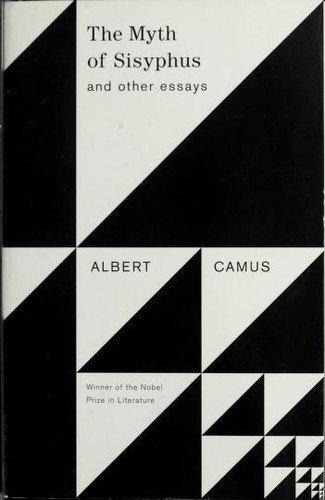
 The Myth of Sisyphus
The Myth of Sisyphus
A foundational existentialist work on embracing freedom and intensity in an uncertain world
About This Book
Published in 1942, The Myth of Sisyphus stands as a cornerstone text in existentialist and absurdist philosophy. Camus examines a fundamental question: does life retain value when stripped of religious significance, and should ending one's life be the rational conclusion to confronting this emptiness? His answer rejects self-destruction, proposing instead that accepting life's lack of inherent meaning opens the door to authentic freedom, intense experience, and genuine happiness.
Who Should Read This?
- Non-believers seeking frameworks for meaningful existence without religious doctrine
- Students of philosophy drawn to foundational Western intellectual works
- Individuals searching for renewed purpose and vitality in their daily experience
Continue reading
Create a free account to read the full summary, key ideas, and author insights.