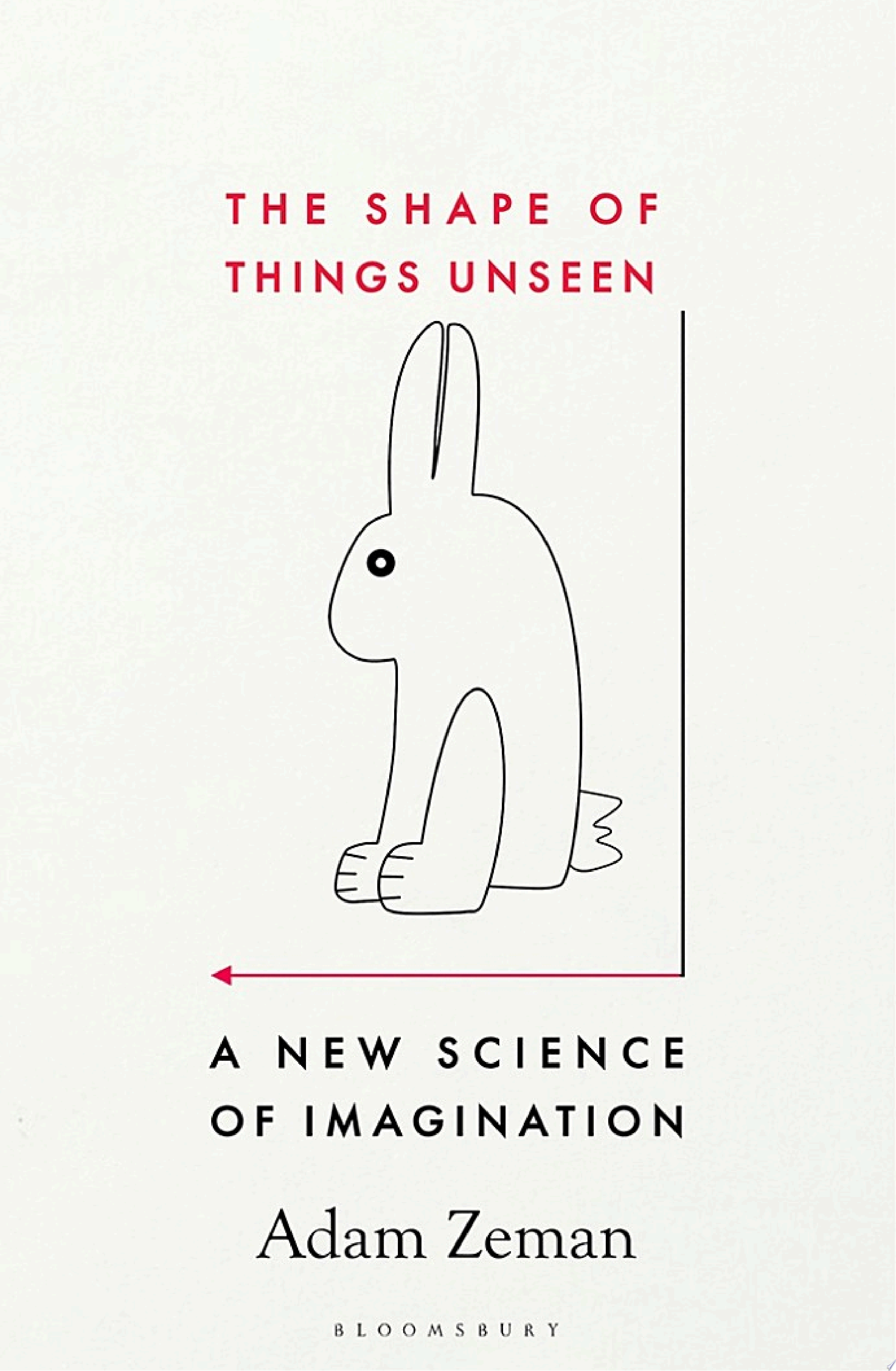
 The Shape of Things Unseen
The Shape of Things Unseen
How Science Explains Our Imaginative Mind
About This Book
The Architecture of Invisible Thought (2025) dismantles the misconception that imagination serves only artistic pursuits, demonstrating instead that our imaginative abilities function continuously—from planning future events to recalling memories, testing theories, or simply letting our minds wander. Through recent discoveries in cognitive science, the book reveals imagination as integral to human development, social connection, and the fundamental ways we perceive and process reality.
Who Should Read This?
- Psychology researchers studying mental imagery and neuroscience
- Creative professionals seeking scientific insights into imaginative processes
- Parents wanting to comprehend how imagination develops in children
- Anyone curious about the cognitive mechanisms behind human thought
Continue reading
Create a free account to read the full summary, key ideas, and author insights.